English
Commercial Building Cables Suppliers
Home / Products

This product family covers composite cable, instrumentation cable, Ethernet cable, fire alarm cable and power cable. We engineer each construction around the working environment, signal type and installation route, and we support the project from specification and sample confirmation through pre-shipment inspection.
The five categories below cover most commercial, industrial and data communication networks, and each has a distinct role in the system.
| Product Family | Primary Constructions | Typical Project Use |
|---|---|---|
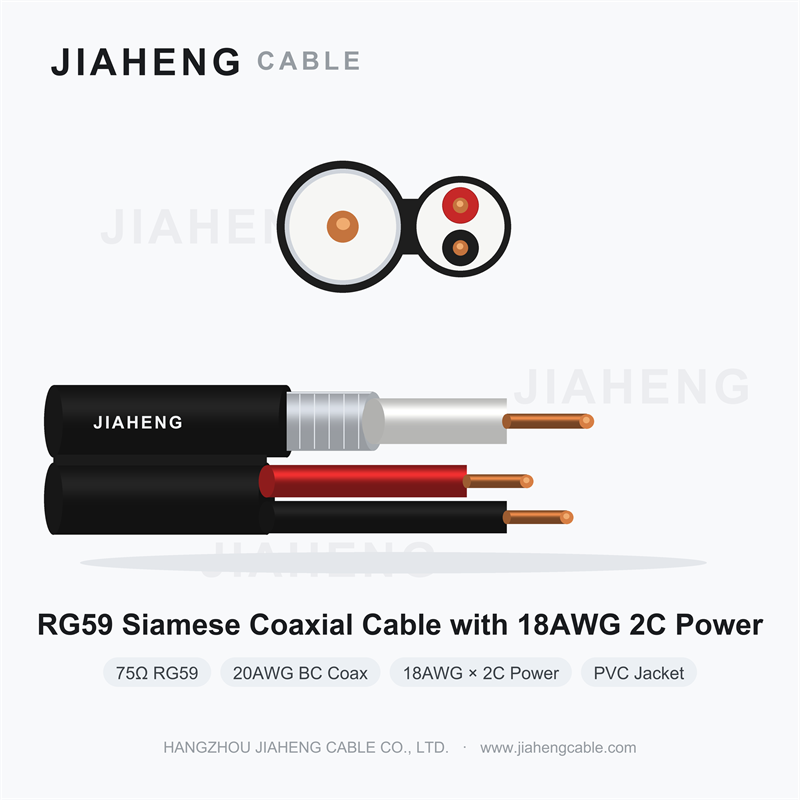
| Composite Cable | RG59 Siamese coax with 18AWG 2C power; combined video and power run | CCTV and surveillance pulls where one jacket simplifies installation |
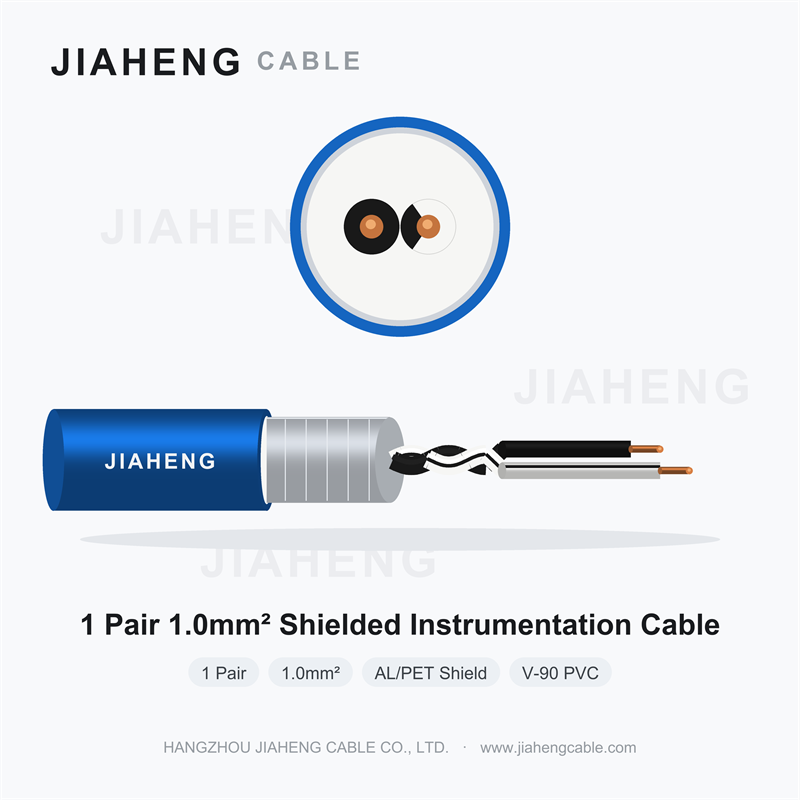
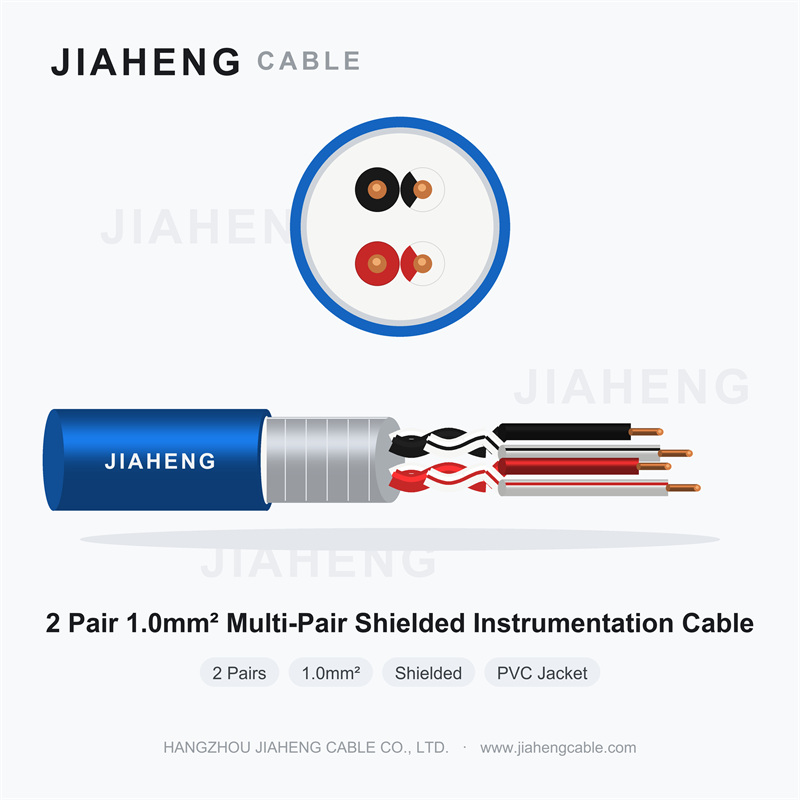
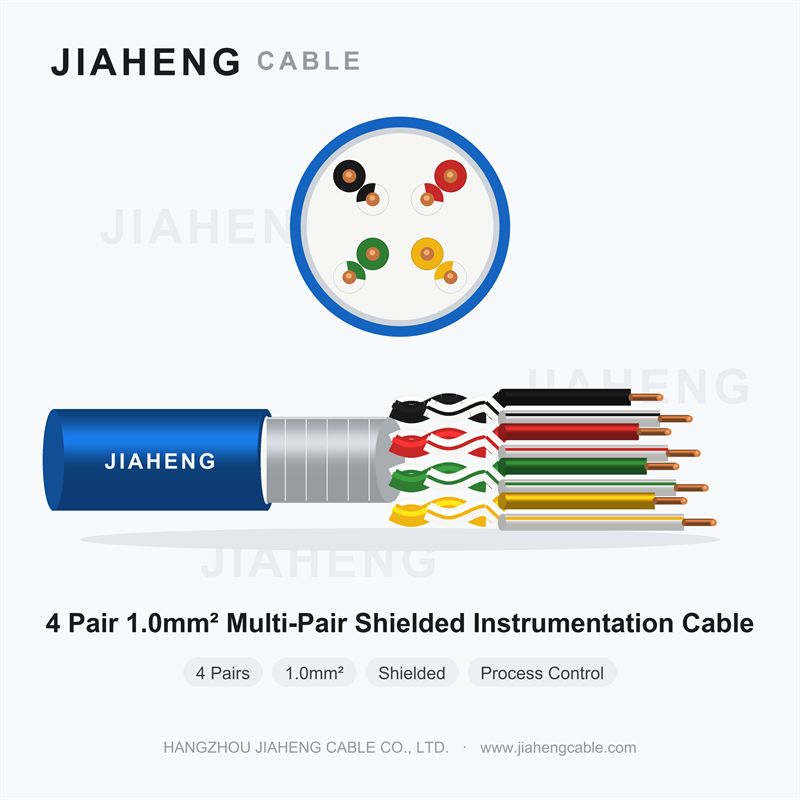
| Instrumentation Cable | 1 to 24 pairs, 0.5 to 2.5 mm², AL/PET foil, optional copper braid or pair screens, optional steel wire armour | 4-20 mA loops, RTD/thermocouple signals, RS-485, DCS and PLC connections |
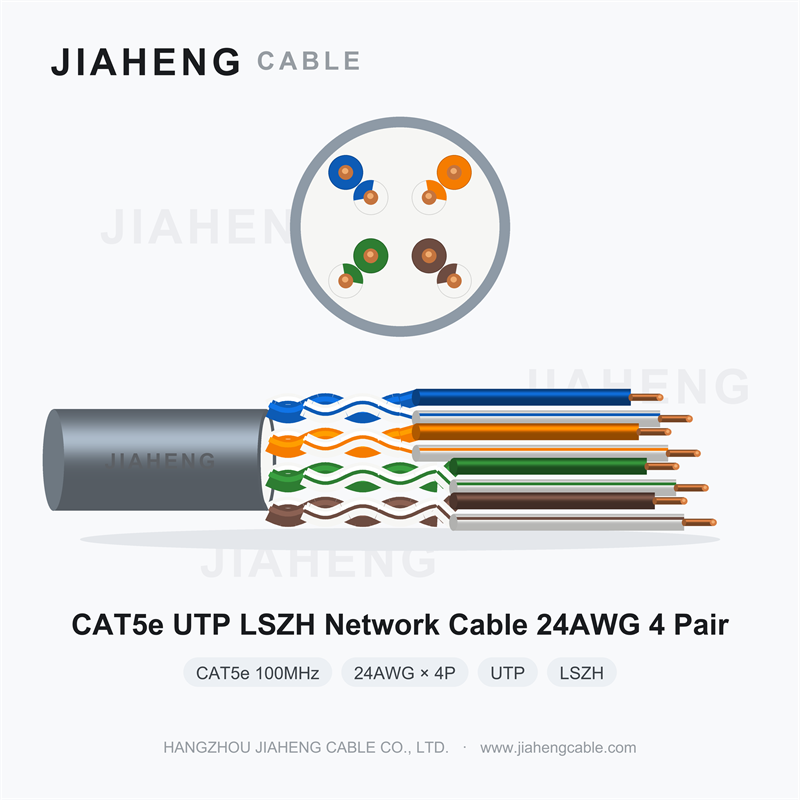
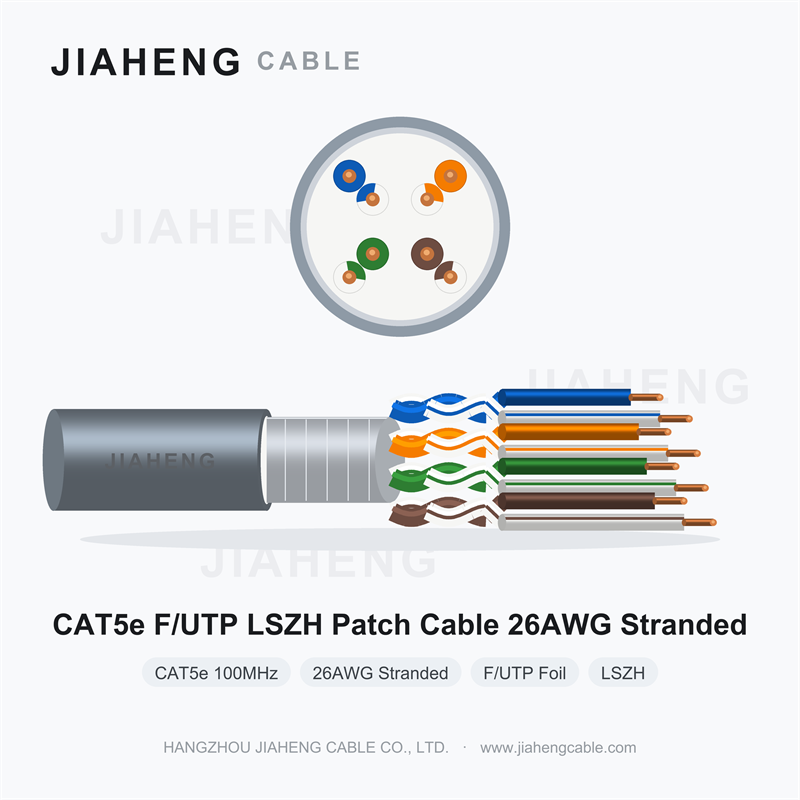
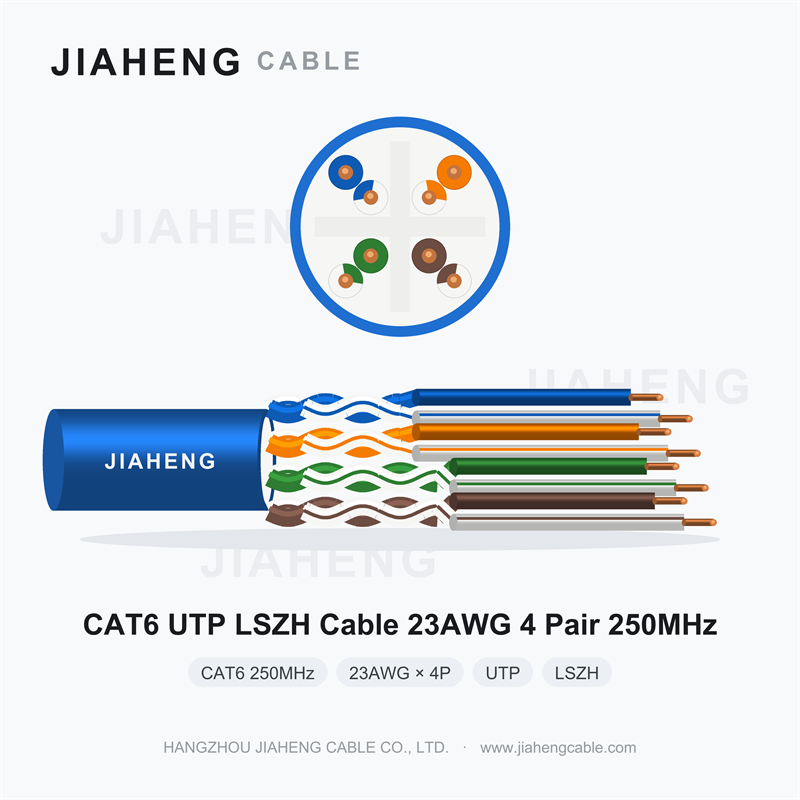
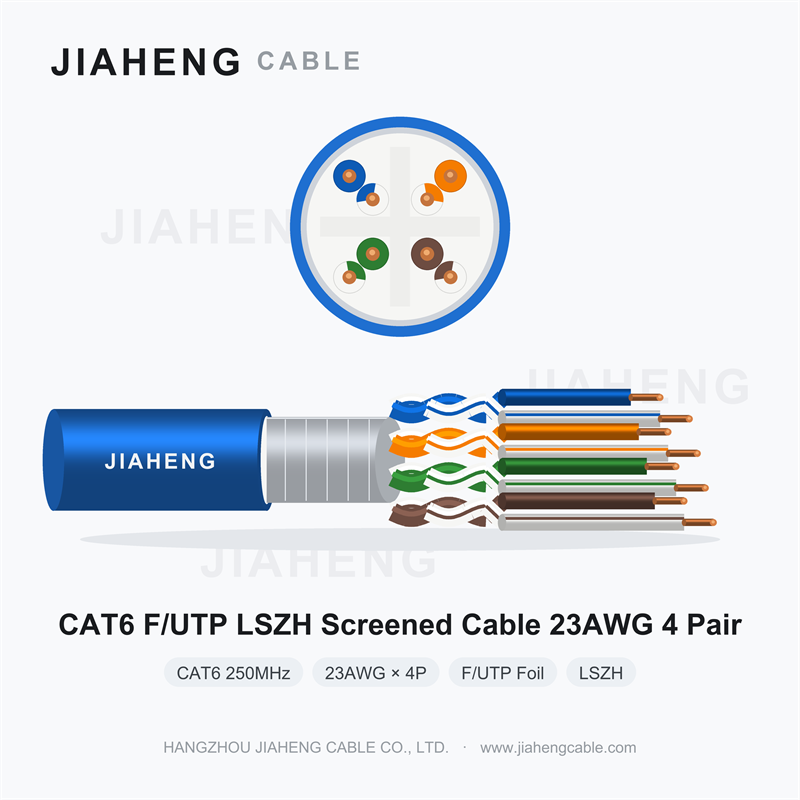
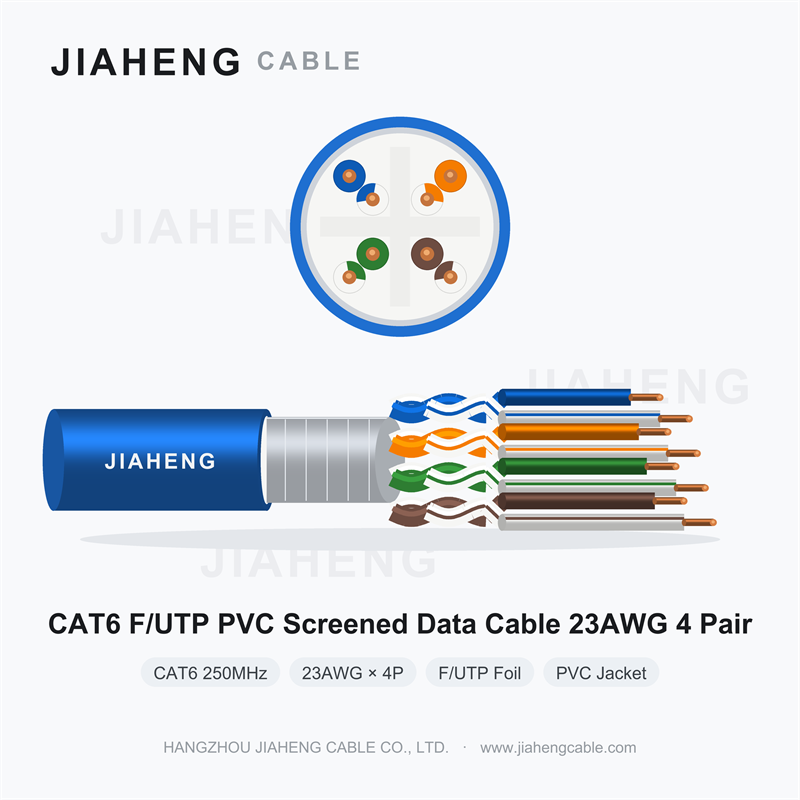
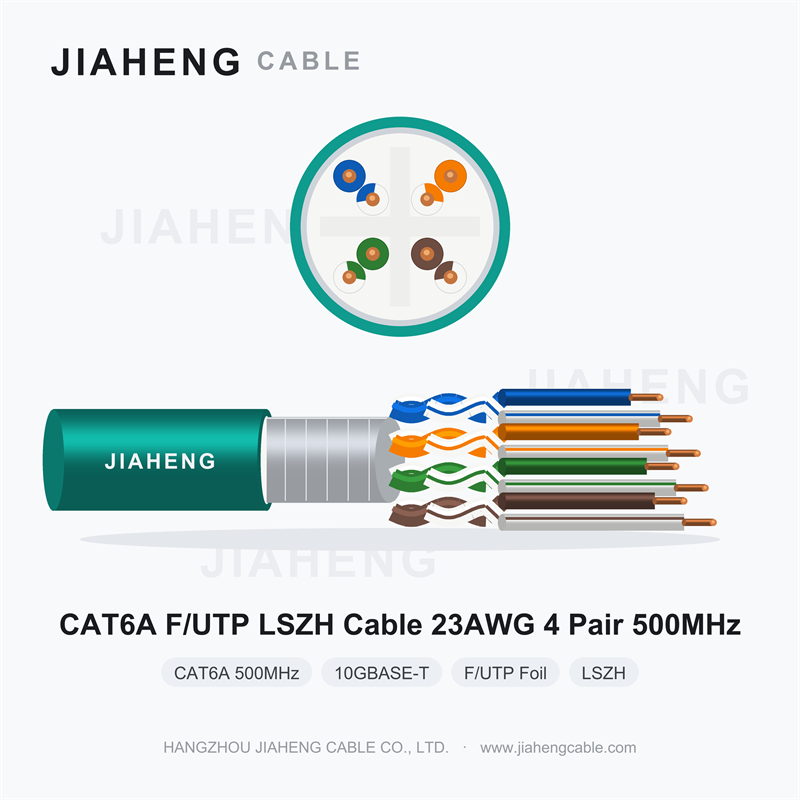
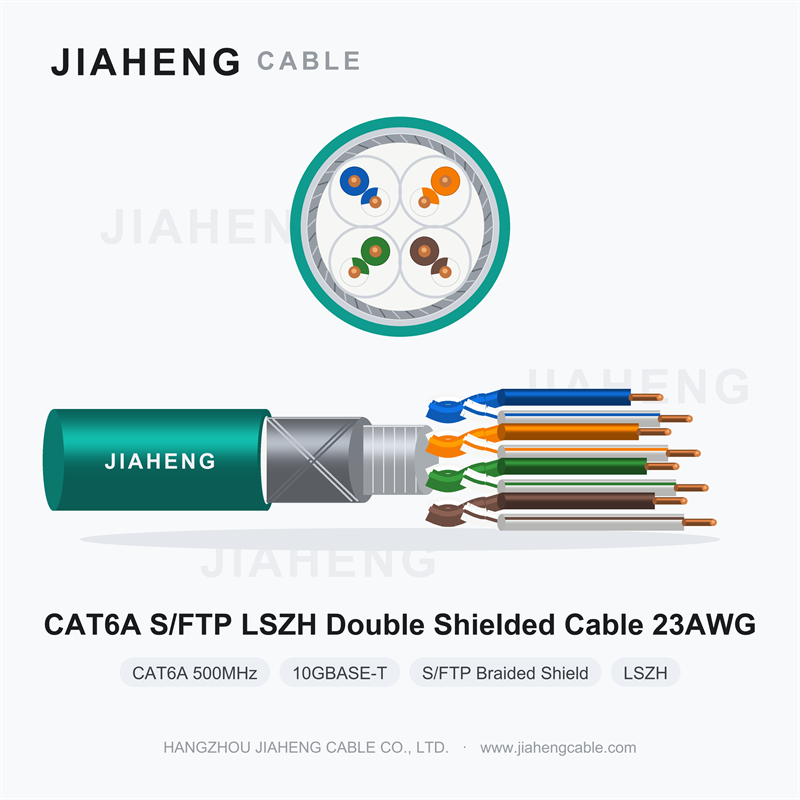
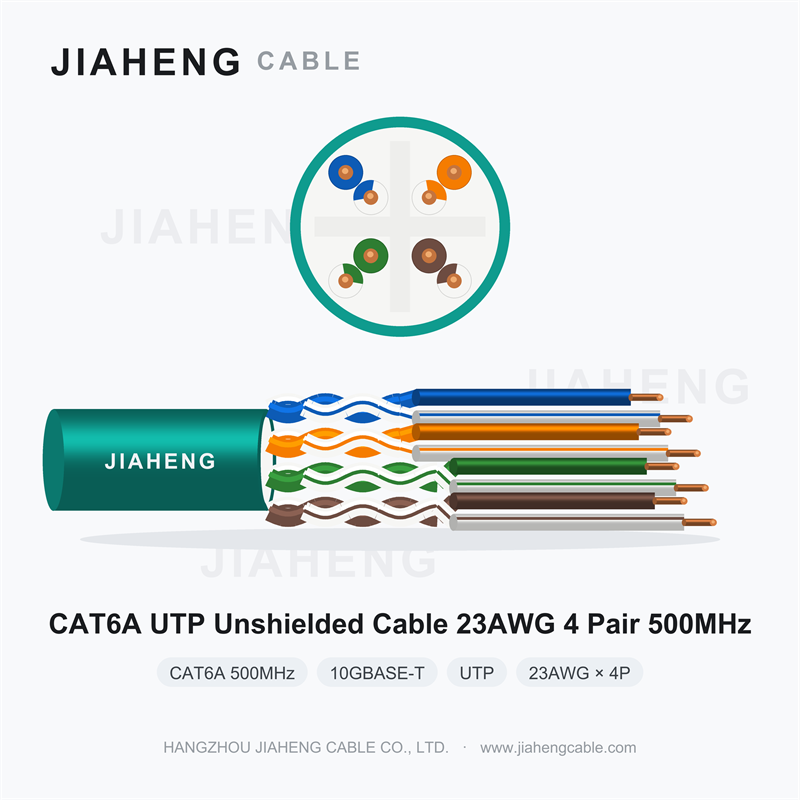
| Ethernet Cable | Cat5e (100 MHz), Cat6 (250 MHz), Cat6A (500 MHz); U/UTP, F/UTP, S/FTP; PVC or LSZH jackets | Structured cabling, data centers, industrial Ethernet, PoE distribution |
| Fire Alarm Cable | Life-safety signal and control circuits | Fire detection, manual call points, sounders and evacuation systems |
| Power Cable | Light-duty flexible power and control conductors | Equipment supply, local distribution and control wiring |
For more on specific families, see Composite Cable, Instrumentation Cable and Ethernet Cable.
Instrumentation cable carries low-amplitude signals from transmitters, sensors, flow meters and analyzers to DCS or PLC inputs. A 4-20 mA loop is easily corrupted by EMI, so we build these cables with tightly controlled pair twist and an AL/PET foil overall screen, with copper braid or individually screened pairs when the field demands more immunity. Pair counts and conductor cross-sections are selected from the loop schedule, not guessed.
Ethernet cable is the physical layer of the network. Category determines bandwidth: Cat5e at 100 MHz supports Gigabit Ethernet, Cat6 at 250 MHz adds headroom, and Cat6A at 500 MHz is the standard choice for 10GBASE-T over a 100 m channel. Screen selection depends on the electromagnetic environment. U/UTP suits offices and general commercial space; F/UTP adds a foil barrier for EMI; S/FTP with individually screened pairs and an overall braid is preferred for data centers and industrial areas.
Composite cable, such as the RG59 Siamese construction with 18AWG 2C power, shortens installation time by placing video and power in one pull. Fire alarm and power cable are specified on life-safety and load rules rather than data rate.
We configure the cable to the electrical and mechanical limits of your installation. For instrumentation cable, pair count can range from 1 to 24 pairs and conductor size from 0.5 mm² to 2.5 mm². For Ethernet, the standard range is solid-conductor horizontal cable and stranded patch cable, with 23AWG or 24AWG depending on channel length and PoE load.
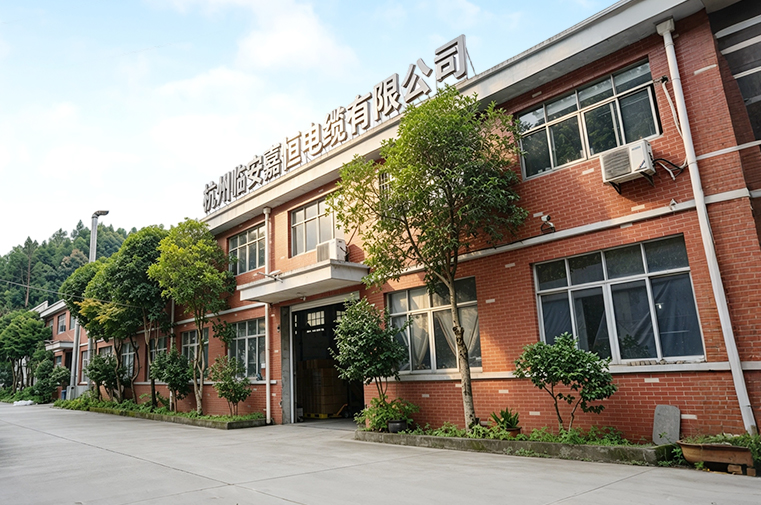
Our factory in Hangzhou is set up for series production and OEM programs. We start with a flexible MOQ, which lets you test the market without committing to container volumes. As a direct factory, we keep material traceability from copper and compound through final test.
For throughput planning, we use your required drum or box lengths, pair configuration and jacket material to define production runs. That avoids unnecessary re-reeling and keeps delivery aligned with installation stages.
Quality is documented at three points: incoming material, in-process control and pre-shipment inspection. We provide copper purity certificates, insulation compound datasheets and pre-shipment QC reports with photos and test data. You approve the report before the cable leaves the factory.
Ethernet cables are tested for link parameters before shipment, with the specific items and values recorded in the factory test report. Instrumentation cables are built with tighter tolerances on twist lay, screen coverage and insulation consistency because measurement accuracy depends on them. Our commercial terms are OEM-focused: your brand, your customers and your pricing are kept confidential, and a dedicated English-speaking engineer stays with your order from enquiry to dispatch.
Screen performance depends on termination and earthing. F/UTP and S/FTP cables are only as good as their connectors and bond points, so we supply constructions designed for standard RJ45, field-terminable connectors or punch-down blocks, and we confirm the shield drain and pair layout before production.
For process control, we can provide multi-pair instrumentation cable with numbered cores and individual pair screens to simplify termination at marshalling cabinets and DCS panels. For CCTV projects, RG59 Siamese composite cable reduces the number of separate pulls and keeps cable identification clear on site.
We do not install cable ourselves; we support the team that does. Our technical data covers minimum bend radius, pulling tension, temperature range and jacket selection so the installed system behaves as designed.
Every quotation from Jiaheng is built around your cable schedule, not a generic stock answer. Send us the following details, and we will return a construction drawing, test plan and commercial offer.
With these inputs we confirm the construction, approve a sample or specification sheet, and move the order through our production plan.
We manufacture five families: composite cable, instrumentation cable, Ethernet cable, fire alarm cable and power cable. The Ethernet line covers Cat5e, Cat6 and Cat6A in U/UTP, F/UTP and S/FTP versions with PVC or LSZH jackets.
Yes. Instrumentation cable is available from 1 to 24 pairs and 0.5 to 2.5 mm² conductors, with foil, braid or individual pair screens, optional armour, and PVC or LSZH jackets. Data cable can be configured by category, screen type, conductor size and sheath.
We provide copper purity certificates, insulation compound datasheets and pre-shipment QC reports with photos and test data. Ethernet cable is tested for link parameters before shipment, and the factory test report states the measured values.
Yes. Our production model is OEM-focused with zero channel conflict. Your brand, customer list and pricing remain confidential, and we start with a flexible MOQ so you can validate the market before scaling.
Send the cable type or drawing, application environment, required standard/category, pair count or conductor size, jacket material, lengths and packaging. That allows us to prepare a construction and a firm quotation quickly.
Yes. The Cat6 and Cat6A range is used for PoE structured cabling. 23AWG conductors reduce DC resistance and heating under power delivery, and screened versions provide protection in higher-EMI environments.

 sales@jiahengcable.com
 +86-19357267601

 Heziwu, Shuangyuan Village, Linglong Subdistrict, Lin'an District, Hangzhou City, Zhejiang Province, P.R.China
Copyright © Hangzhou Linan Jiaheng Cable Co., Ltd. All Rights Reserved Custom Wiring and Cabling Products Suppliers