

 English
Product Category
Contact Us
Ethernet Cable
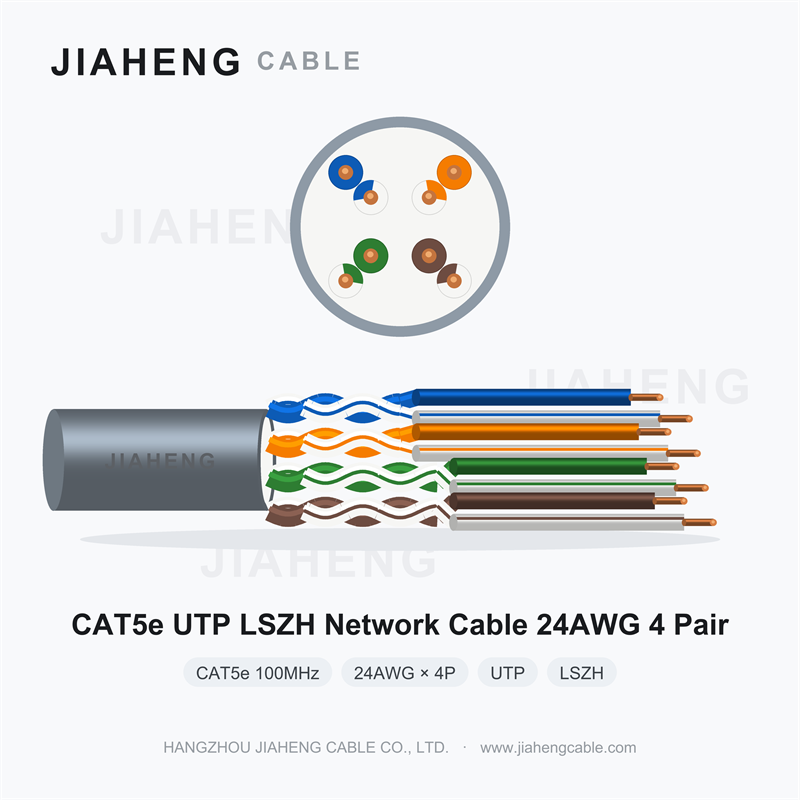
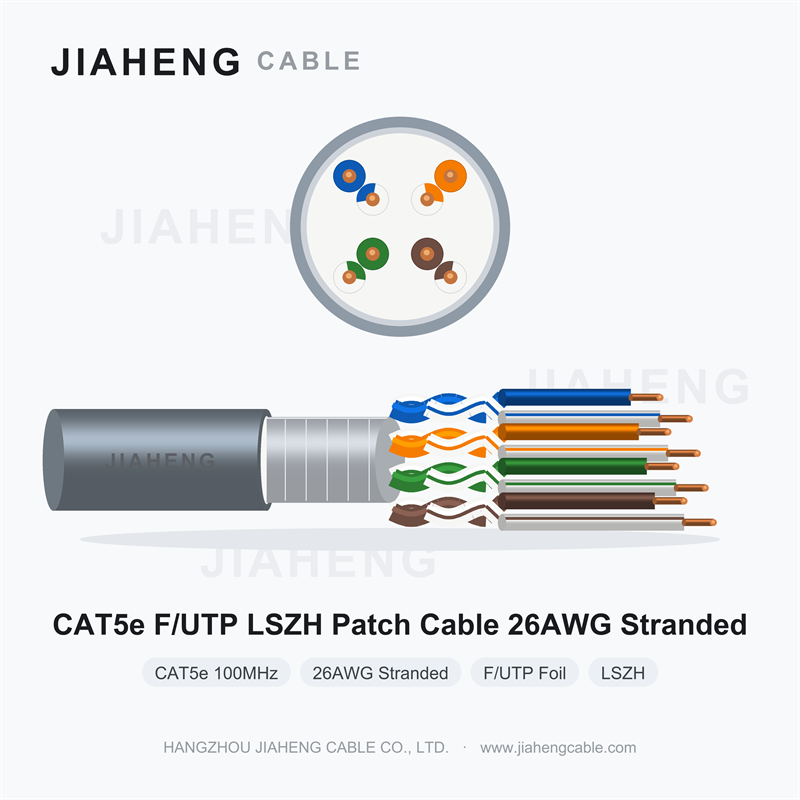
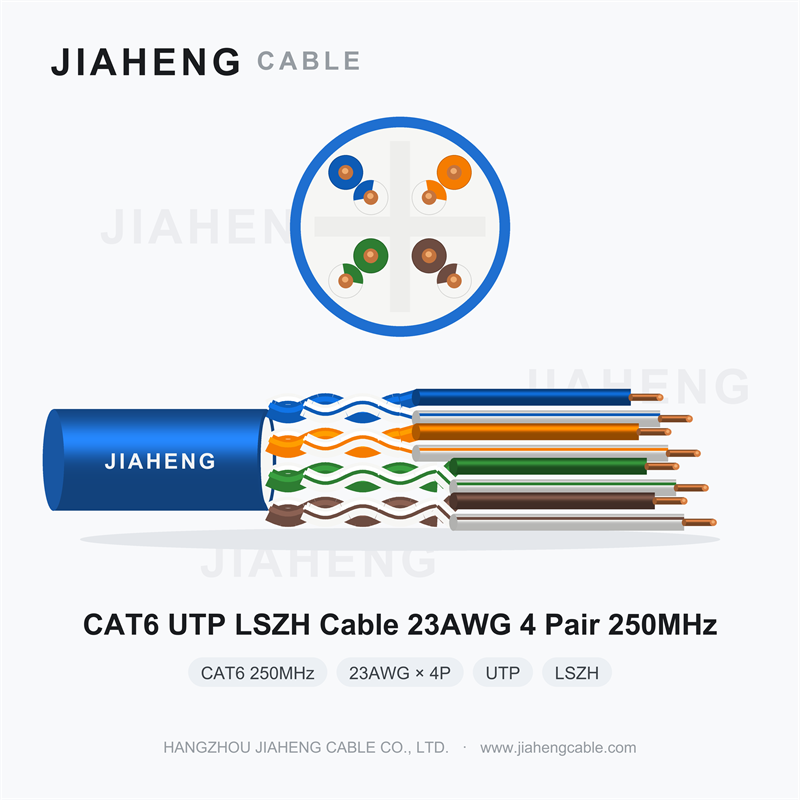
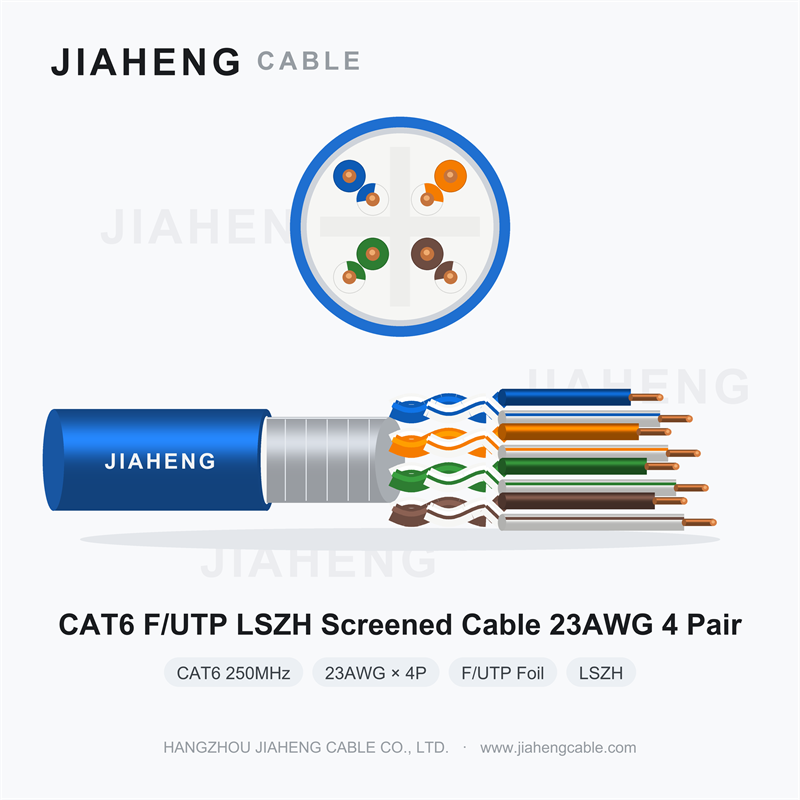
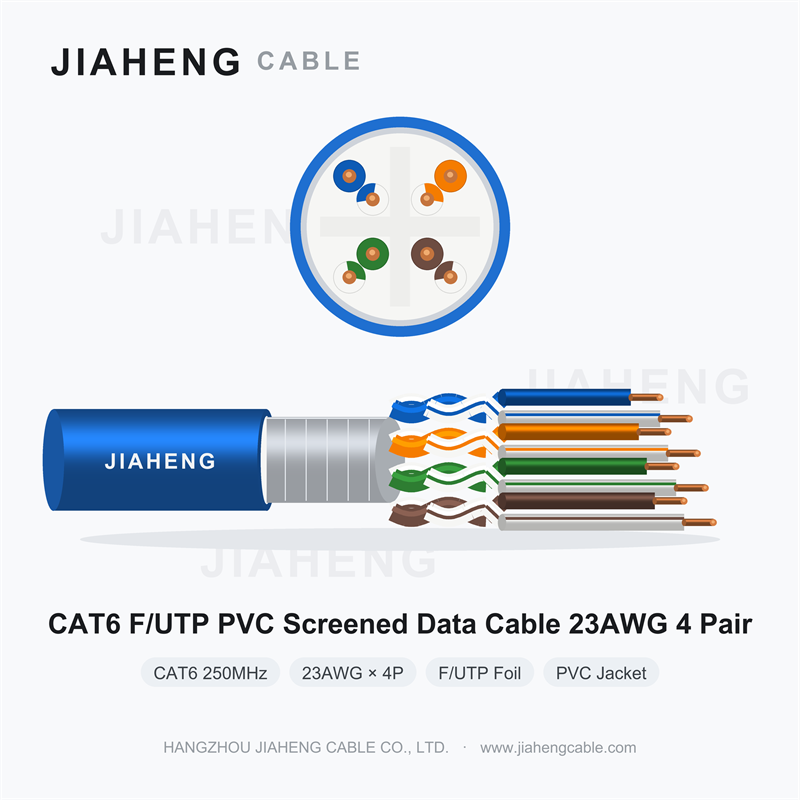
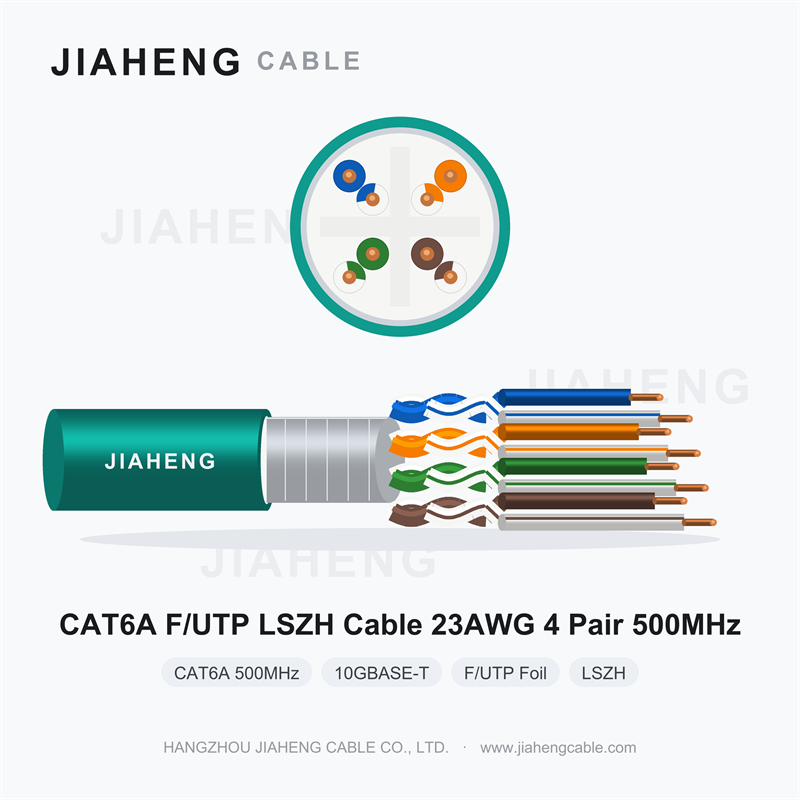
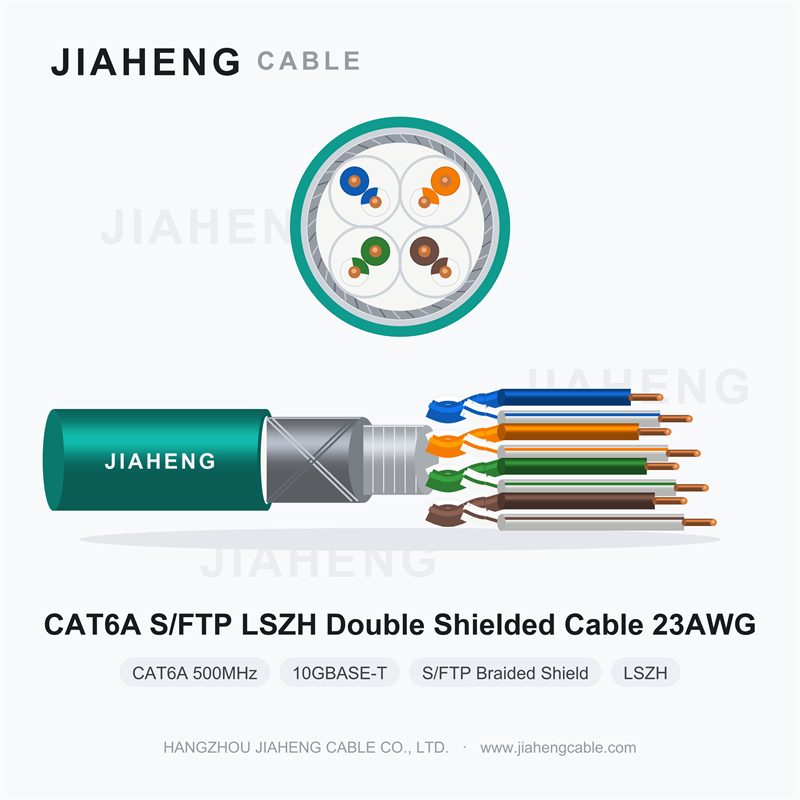
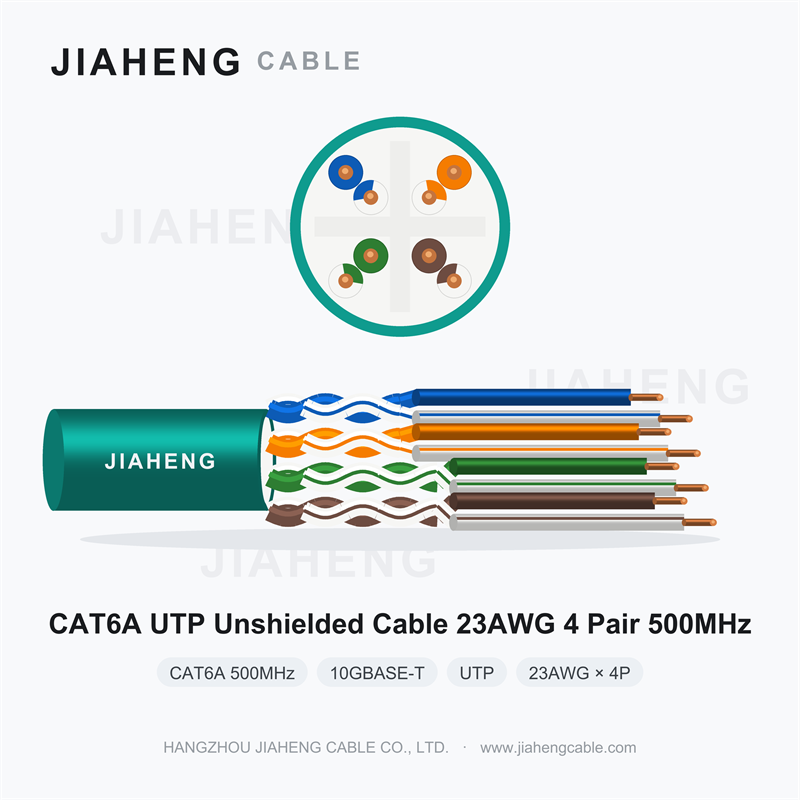
Ethernet cable (network cable) forms the physical foundation of any structured cabling system. Actual network speed, stability and service life depend heavily on this physical layer. Switches and patch panels can be replaced, but cable buried in walls, tray and raised floors typically stays in service for a decade or more, so category, shielding and jacket material should all be decided correctly at the specification stage.
This range is manufactured within the TIA-568 and ISO/IEC 11801 classification framework and covers CAT5e, CAT6 and CAT6A, the three categories that dominate current demand. The differences between them centre on transmission bandwidth and the applications they can carry. CAT5e operates at 100 MHz and reliably supports Gigabit Ethernet. CAT6 moves to 250 MHz, giving headroom above Gigabit and supporting 10 Gigabit over shorter distances. CAT6A reaches 500 MHz and is the standard choice for 10GBASE-T over a 100 metre channel. Which one to specify depends on whether the project will need a 10 Gigabit upgrade, and whether paying for that capability now is worthwhile.
Three shielding options address different electromagnetic environments. UTP relies on the balance created by each pair's twist lay to reject interference; it is the simplest to install and lowest in cost, and suits offices, residential buildings and general commercial premises. F/UTP adds an overall aluminium foil screen around all pairs to suppress interference arriving from outside the cable. S/FTP screens each pair individually in foil and adds an overall copper braid, giving the highest immunity, and is the preferred construction for data centres, industrial sites and high-EMI locations. One point deserves emphasis: screened cable only performs when it is correctly terminated and bonded to earth at both ends. A screened cable with poor earthing practice can underperform an unshielded one.
Jacket selection is driven mainly by building use and fire regulations. LSZH (Low Smoke Zero Halogen) produces low smoke density when burned and releases no corrosive hydrogen halide gases, making it a routine requirement in airports, metros, hospitals, schools, cinemas and other high-occupancy or enclosed spaces. PVC costs less and offers good mechanical performance, suiting plant rooms and industrial buildings where smoke criteria are not mandated.
On conductor sizing, 23AWG is the mainstream choice for horizontal and backbone runs, offering lower conductor resistance and reduced heating under PoE load. 24AWG is widely used for standard Gigabit installations. 26AWG is normally stranded and reserved for patch cords, where repeated flexing would fatigue a solid conductor. All products use oxygen-free copper conductors with HDPE insulation and are tested for link parameters before shipment; the specific test items and values should be taken from the factory test report.
Who We Are
We Not Only Produce Network Cables. We Make Our Partnership Lasting.
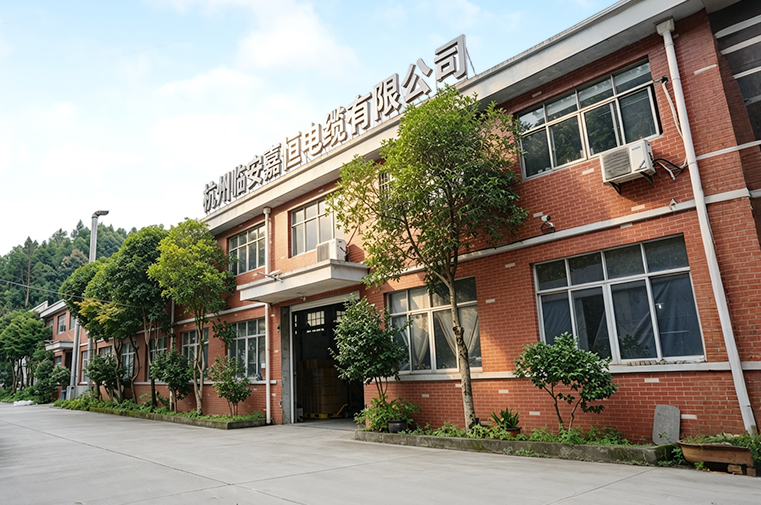
Jiaheng Cable Co., Ltd. was founded on January 23, 2008, with its headquarters located at Heziwu, Linglong Sub‑district, Lin’an District, Hangzhou, Zhejiang Province. With years of in‑depth experience in the cable industry, the company strives to be a global expert in high‑end network cables and digital connection solutions. Upholding the development philosophy of **Precise Connection & Intelligent Manufacturing**, Jiaheng has completed industrial upgrading and transformation. Evolving from initial coaxial cable production, it has grown into a specialized enterprise integrating the R&D, manufacturing, and sales of network cables...
Corporate Vision
To serve as the "nerve fibers" of the global digital world, enabling every data center, every building and every household to run on Jiaheng cables.
OUR PRODUCTS ARE SOLD BOTH DOMESTICALLY AND INTERNATIONALLY, HELPING TO DRIVE INDUSTRY
UPGRADES.
OUR PRODUCTS ARE SOLD BOTH DOMESTICALLY AND INTERNATIONALLY, HELPING TO DRIVE INDUSTRY
UPGRADES.
News
View More
Keep Up To Date With Our Latest News.
Ethernet Cable Industry knowledge

Contact
-
 sales@jiahengcable.com
-
 +86-19357267601
-

-
 Heziwu, Shuangyuan Village, Linglong Subdistrict, Lin'an District, Hangzhou City, Zhejiang Province, P.R.China
Products
QR Code
Copyright © Hangzhou Linan Jiaheng Cable Co., Ltd. All Rights Reserved

TO TOP