

 English
Product Category
Contact Us
Fire Alarm Cable
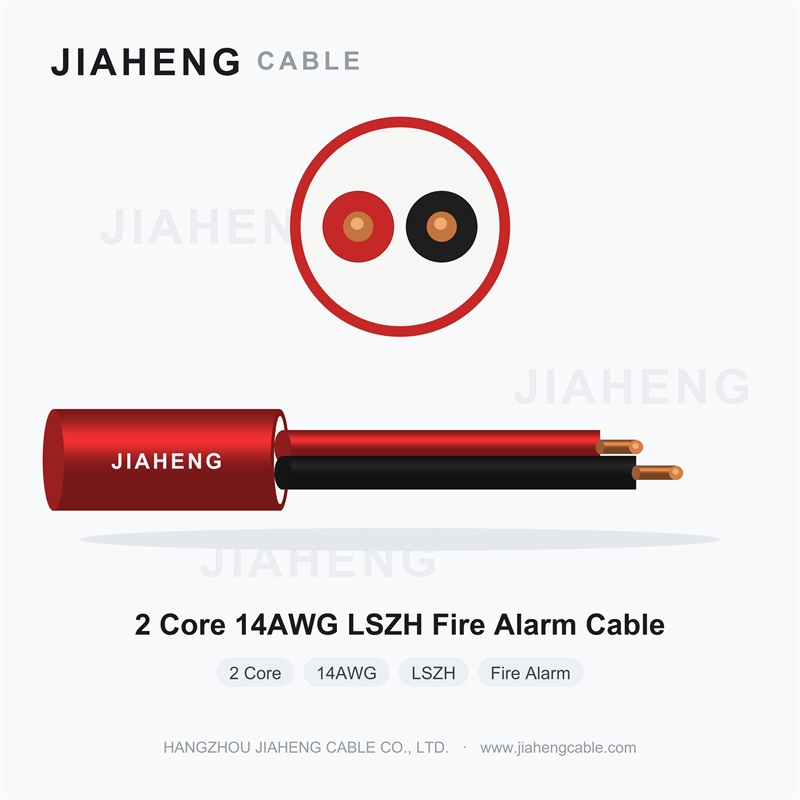
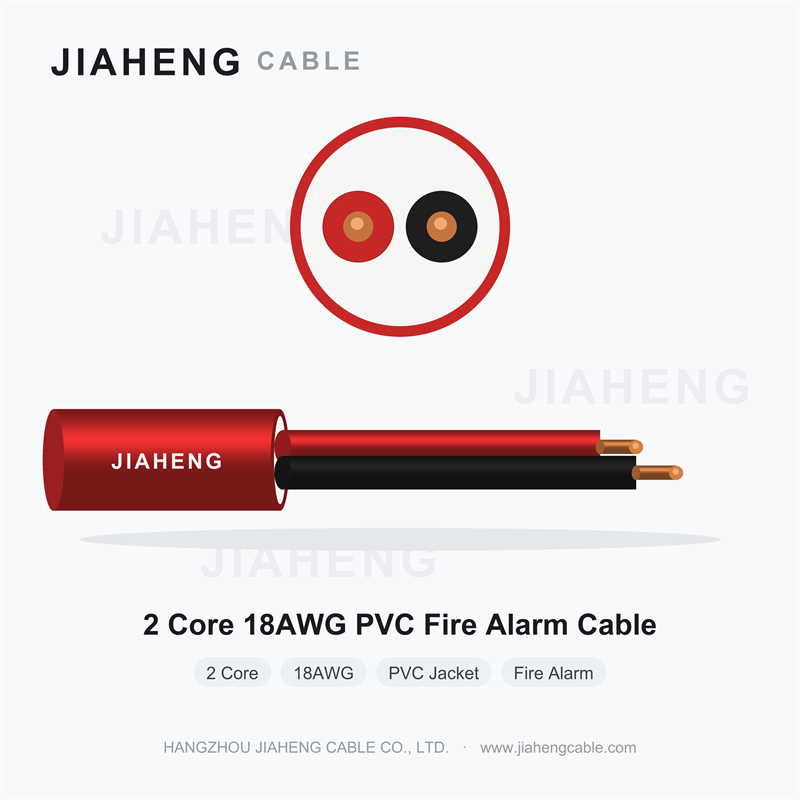
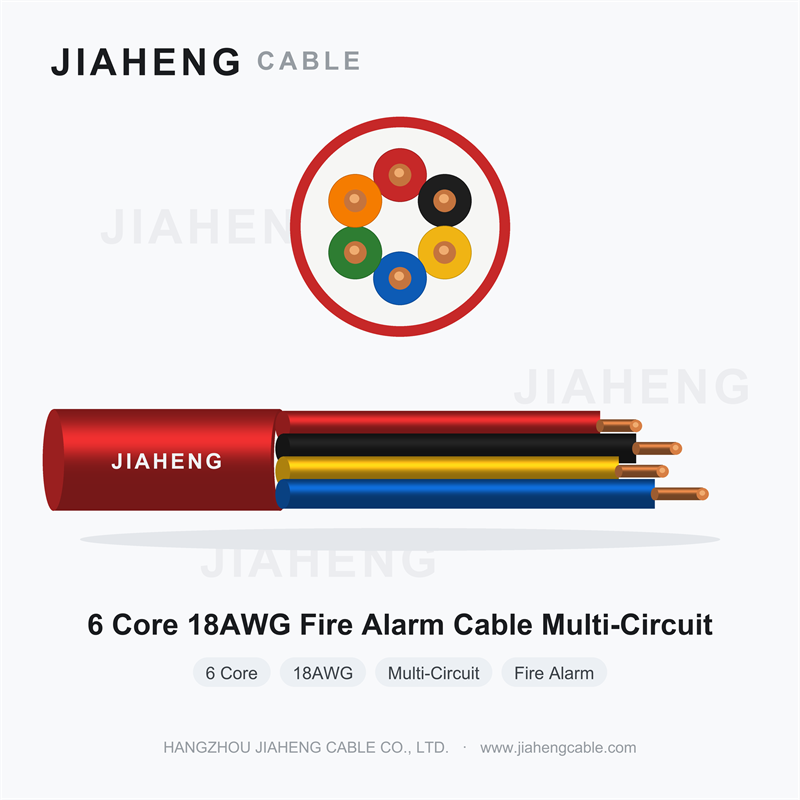
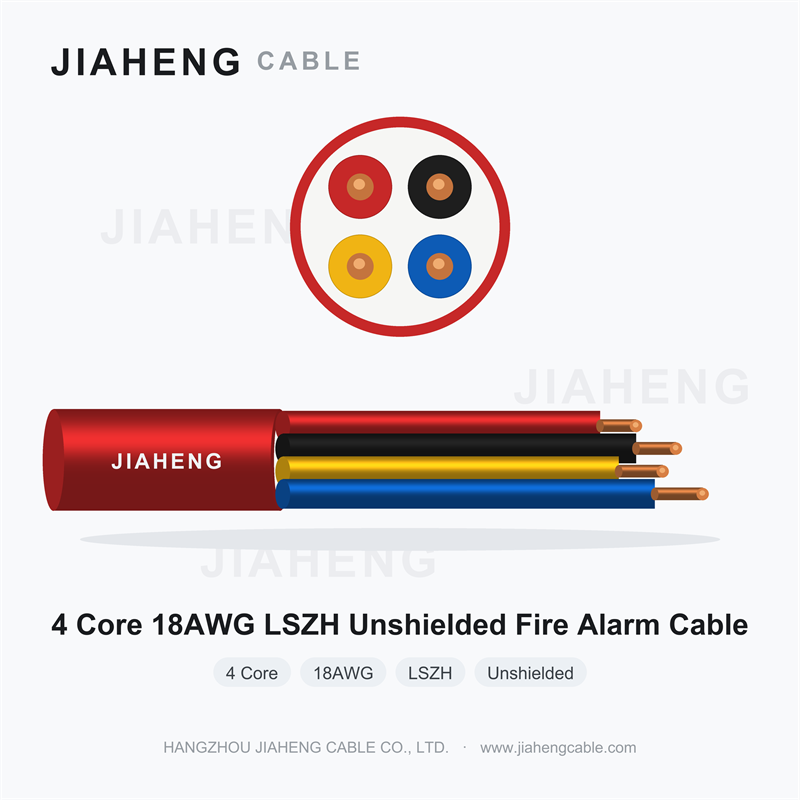
Fire alarm cable is a life-safety cable class. It differs fundamentally from data cables that carry information and instrumentation cables that carry signals: when those fail, the loss is commercial. When this fails, the loss is human. At the moment a fire starts, whether the alarm system operates, whether sounders achieve adequate output, whether voice evacuation messages remain intelligible and whether ancillary equipment sequences correctly all depend on this cable still being intact under the worst possible conditions. Selection criteria are therefore far stricter than for general wiring cable, and downgrading on a "good enough" basis is never acceptable.
This range connects fire alarm control panels to field devices: smoke detectors, heat detectors, flame detectors, manual call points, sounders and beacons, emergency loudspeakers and signage, input/output modules, and ancillary control equipment such as fans, smoke dampers, fire shutters and pump sets.
Cable requirements divide into four circuit functions, each with different technical priorities:
• Signalling Line Circuits (SLC) connect addressable devices and carry digital communication data. Conductor size is not demanding, but signal integrity and loop capacity are.
• Notification Appliance Circuits (NAC) drive sounders and loudspeakers. Current is higher and runs are longer, making this the circuit most vulnerable to voltage drop and the one that usually requires larger conductors.
• 24 V power circuits supply field modules and devices, again requiring voltage drop verification against load and distance.
• Control circuits drive high-power actuators such as smoke dampers, shutters and fans; core count and size follow the controlled equipment.
By system type, conventional zoned systems identify alarm locations through physical zones, with each zone forming its own circuit — more cable, but simple and economical. Addressable systems hang dozens or hundreds of individually addressed devices on one loop pair, using far less cable and giving precise fault location; this is now the mainstream for new construction. The two impose clearly different demands on core count and construction, so the system type must be confirmed before cable is selected.
Matching conductor size to voltage drop is the most commonly overlooked and most commonly botched aspect of fire alarm cable selection. NAC runs often span an entire floor or building, and end-of-line sound pressure level must meet the design requirement — which depends on the voltage actually arriving at the device. Longer runs and smaller conductors mean greater drop, and sounders may then fail to achieve rated output. Conductor sizing must be calculated by the project designer against the applicable code, load and run length; it cannot be taken from habit. Multi-core constructions (4-core, 6-core) integrate several circuits into one cable, materially reducing conduit runs and installation hours, and are common on large projects.
Jackets are offered in PVC and LSZH. LSZH produces low smoke density and no corrosive hydrogen halide gases when burned, and is recommended or mandated in enclosed, high-occupancy locations — basements, high-rise escape routes, hospitals, cinemas, metros and airports. In these locations smoke itself is the leading cause of death, and jacket material matters far beyond the cost difference.
Products in this range can be supplied against the applicable requirements of EN 50200, IEC 60331, UL 2040, BS 5839 and GB/T 19666. One point requires emphasis: fire resistance class, flame retardance class, specific certifications and test reports must be taken from formal documentation issued by the factory for the product actually supplied. Buyers should state the class required by the project and request the corresponding evidence, rather than accepting a generic material statement in its place.
Who We Are
We Not Only Produce Network Cables. We Make Our Partnership Lasting.
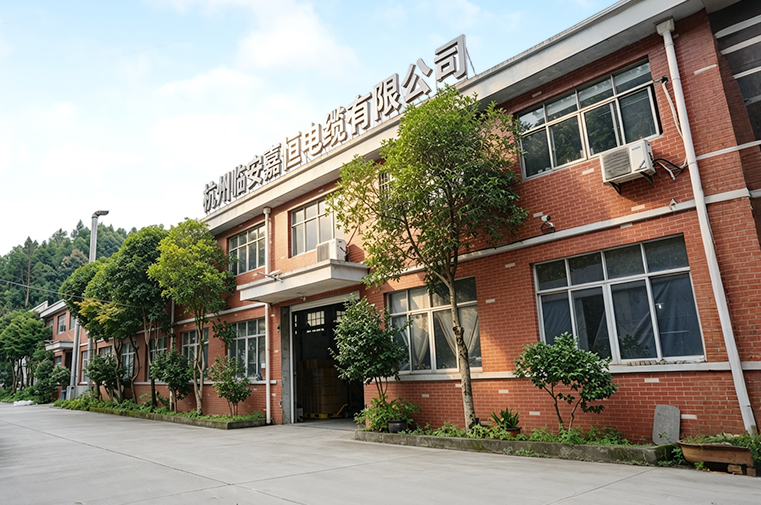
Jiaheng Cable Co., Ltd. was founded on January 23, 2008, with its headquarters located at Heziwu, Linglong Sub‑district, Lin’an District, Hangzhou, Zhejiang Province. With years of in‑depth experience in the cable industry, the company strives to be a global expert in high‑end network cables and digital connection solutions. Upholding the development philosophy of **Precise Connection & Intelligent Manufacturing**, Jiaheng has completed industrial upgrading and transformation. Evolving from initial coaxial cable production, it has grown into a specialized enterprise integrating the R&D, manufacturing, and sales of network cables...
Corporate Vision
To serve as the "nerve fibers" of the global digital world, enabling every data center, every building and every household to run on Jiaheng cables.
OUR PRODUCTS ARE SOLD BOTH DOMESTICALLY AND INTERNATIONALLY, HELPING TO DRIVE INDUSTRY
UPGRADES.
OUR PRODUCTS ARE SOLD BOTH DOMESTICALLY AND INTERNATIONALLY, HELPING TO DRIVE INDUSTRY
UPGRADES.
News
View More
Keep Up To Date With Our Latest News.
Fire Alarm Cable Industry knowledge

Contact
-
 sales@jiahengcable.com
-
 +86-19357267601
-

-
 Heziwu, Shuangyuan Village, Linglong Subdistrict, Lin'an District, Hangzhou City, Zhejiang Province, P.R.China
Products
QR Code
Copyright © Hangzhou Linan Jiaheng Cable Co., Ltd. All Rights Reserved

TO TOP