

 English

Data Center Solutions
1. Solution Core Positioning
Focusing on the core requirements of data centers, including high-speed transmission, high-density deployment, low loss, easy operation and maintenance, and safety & energy saving, this solution adopts a standardized and prefabricated cable wiring system. It is applicable to full scenarios including traditional IDCs, cloud data centers, and AI computing centers, and balances rapid short-term deployment and long-term capacity expansion & iteration.
2. Core Scenarios and Cable Selection
2.1 Network Wiring Scenario
The backbone link adopts high-density MPO/MTP pre-terminated optical fibers to support 40G/100G/400G high-speed transmission with ultra-low loss, suitable for interconnection of core switches and aggregation layers. LC duplex optical fibers are applied at the access layer for server and cabinet terminal access, featuring neat wiring and strong compatibility.
2.2 Data Center Copper Cable Scenario
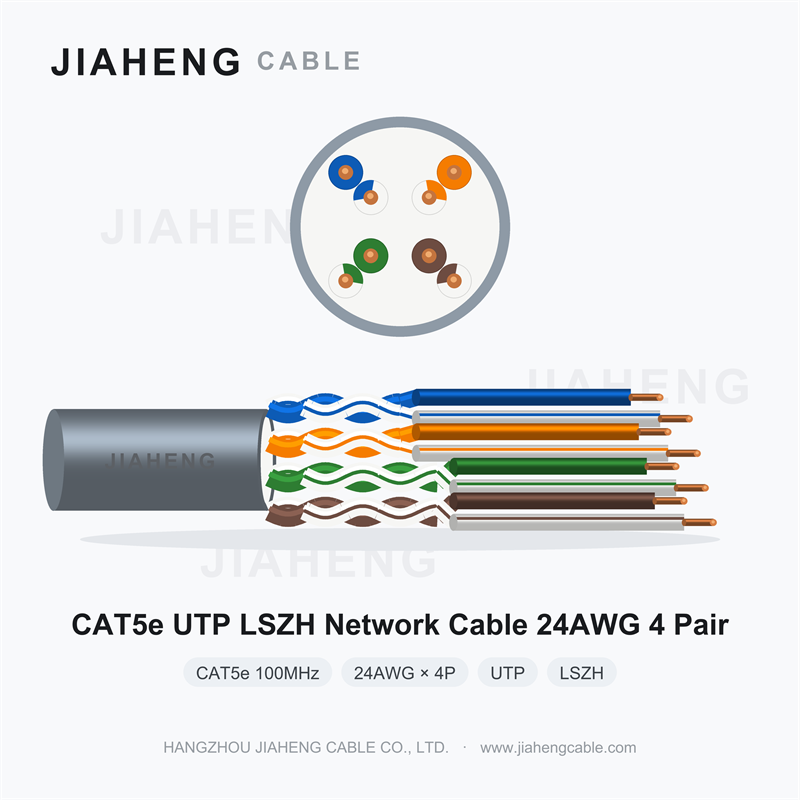
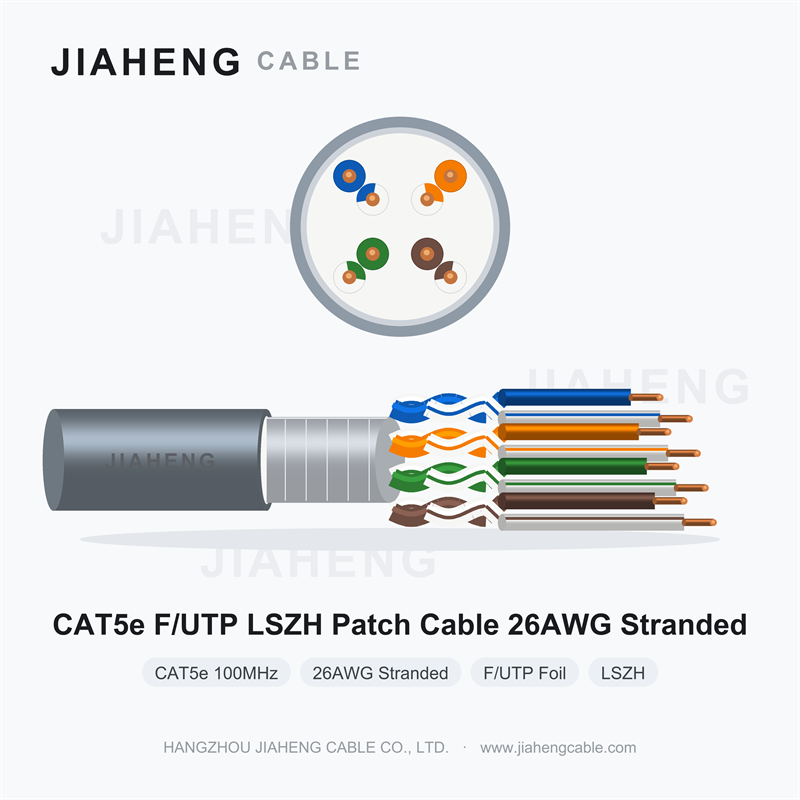
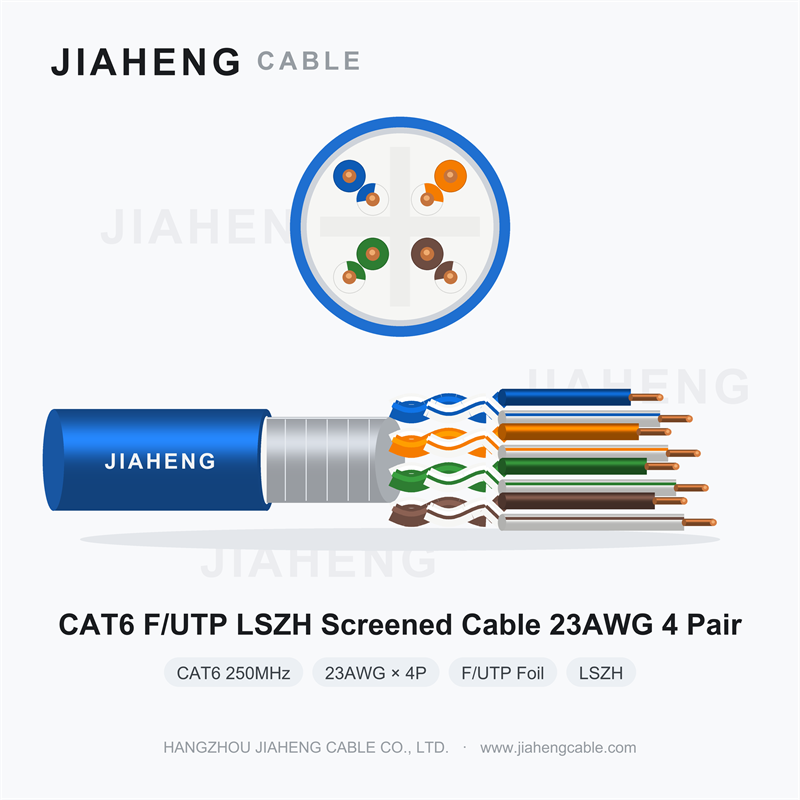
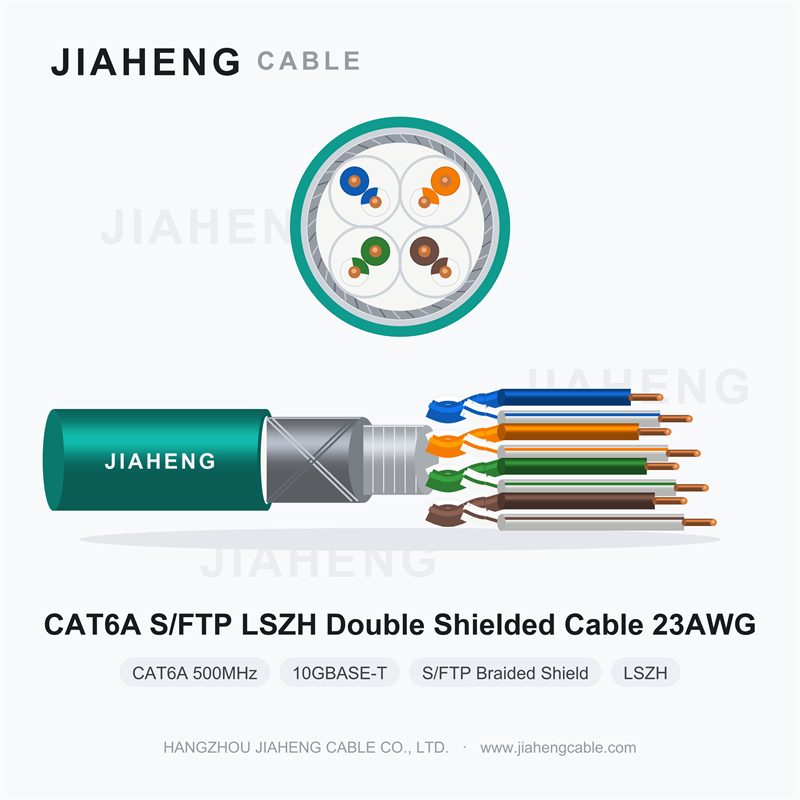
Category 6 / Augmented Category 6 unshielded twisted pairs are used for low-speed interconnection of office and equipment terminals, featuring anti-interference and anti-crosstalk performance to meet gigabit intranet transmission requirements. High-speed copper cable components are adopted for short-distance interconnection inside high-density cabinets to realize high-speed near-field equipment connection and reduce wiring costs.
2.3 Power Distribution Scenario
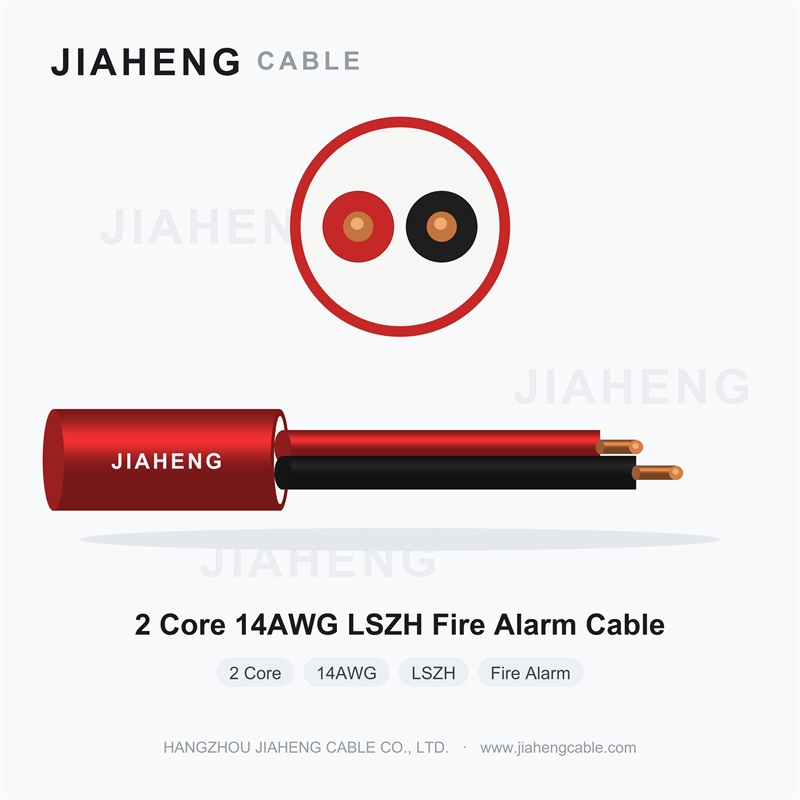
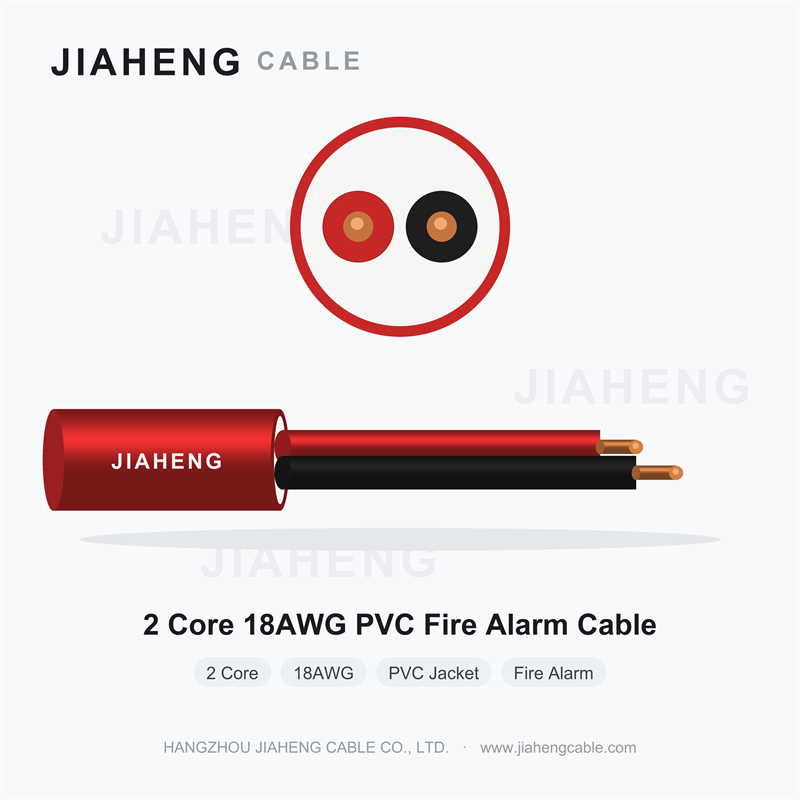
Special flame-retardant and fire-resistant power cables are equipped for cabinet power distribution, UPS, and busbar systems. Complying with data center fire protection standards, the cables feature high-temperature resistance and low heat generation to ensure stable power supply and adapt to OCP standardized power distribution architecture.
2.4 AI Computing Dedicated Scenario
To meet the high-speed interconnection demands of AI servers, MCIO and PCIe 5.0/6.0 high-speed cables are deployed to achieve low-latency and ultra-high-bandwidth data transmission, supporting high-frequency interaction of computing clusters.
3. Core Deployment Scheme
3.1 Prefabricated Minimalist Deployment
Factory pre-terminated and pre-tested cable components are adopted throughout the whole process, requiring no on-site fusion splicing or crimping and supporting plug-and-play deployment. Compared with traditional on-site construction, the solution saves more than 75% of the construction period and greatly reduces construction errors and failure risks.
3.2 High-Density and Standardized Wiring
1U high-density wiring architecture is applied to reduce wiring space and improve cabinet utilization. Hierarchical and partitioned wiring separates strong and weak current cables to avoid signal interference, ensure smooth cabinet ventilation, and reduce the PUE of the data center.
3.3 Standardized and Iterable Design
The protocol-independent structured wiring system supports the upgrade of multi-generation network equipment and on-site capacity expansion and point adjustment without large-scale line reconstruction, extending the service life of infrastructure.
3.4 Safe Operation and Maintenance Management
All cables adopt low-smoke, zero-halogen flame-retardant materials with fireproof, moisture-proof, and eco-friendly performance. Unified labeling and standardized wiring facilitate daily inspection and fault troubleshooting, lowering operation and maintenance difficulties.
4. Core Advantages of the Solution
1. Efficient and Stable: Low loss, low latency, and anti-interference, adapting to high-speed computing and mass data transmission;
2. Cost and Efficiency Optimization: Prefabricated construction saves time and labor, and standardized design reduces subsequent renovation costs;
3. Safe and Reliable: Special flame-retardant cables and standardized wiring avoid risks such as fire hazards and signal anomalies;
4. Flexible Capacity Expansion: High-density modular design supports long-term business iteration and upgrade of data centers.
Related products

Contact
-
 sales@jiahengcable.com
-
 +86-19357267601
-

-
 Heziwu, Shuangyuan Village, Linglong Subdistrict, Lin'an District, Hangzhou City, Zhejiang Province, P.R.China
Products
QR Code
Copyright © Hangzhou Linan Jiaheng Cable Co., Ltd. All Rights Reserved

TO TOP